

































Shop Acoustic Guitars at Austin Bazaar
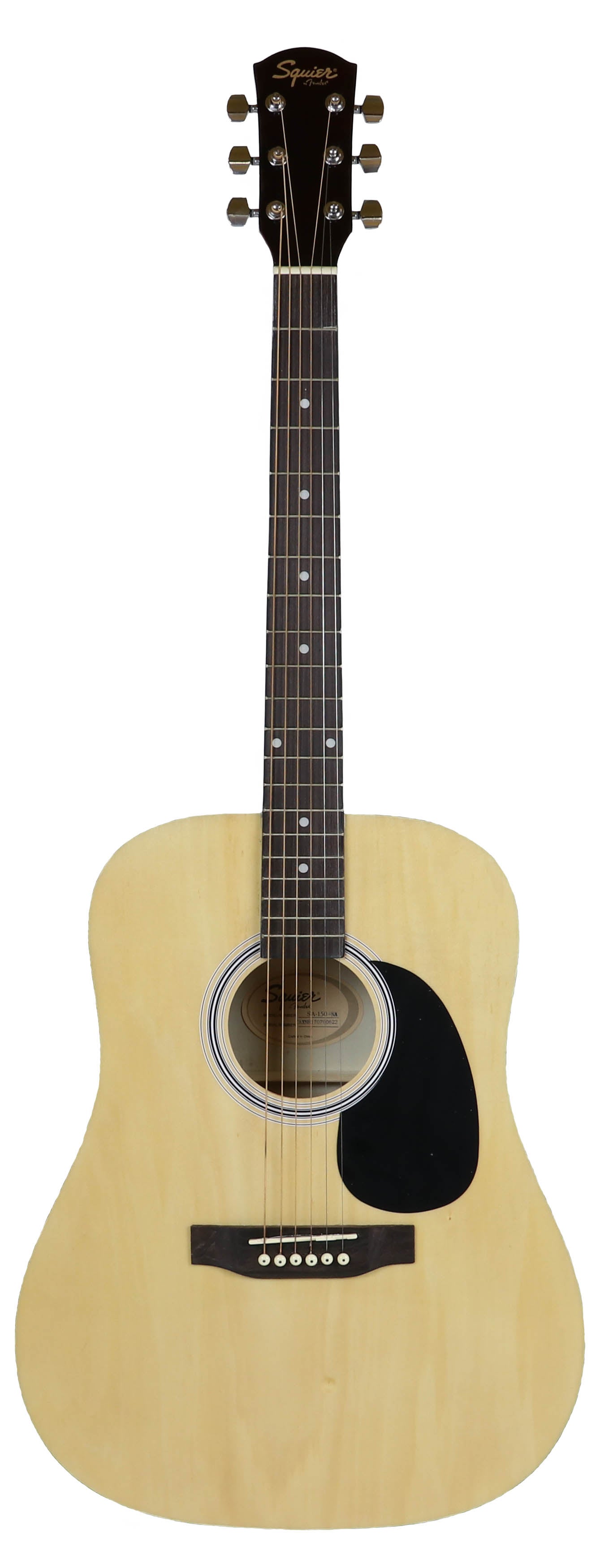
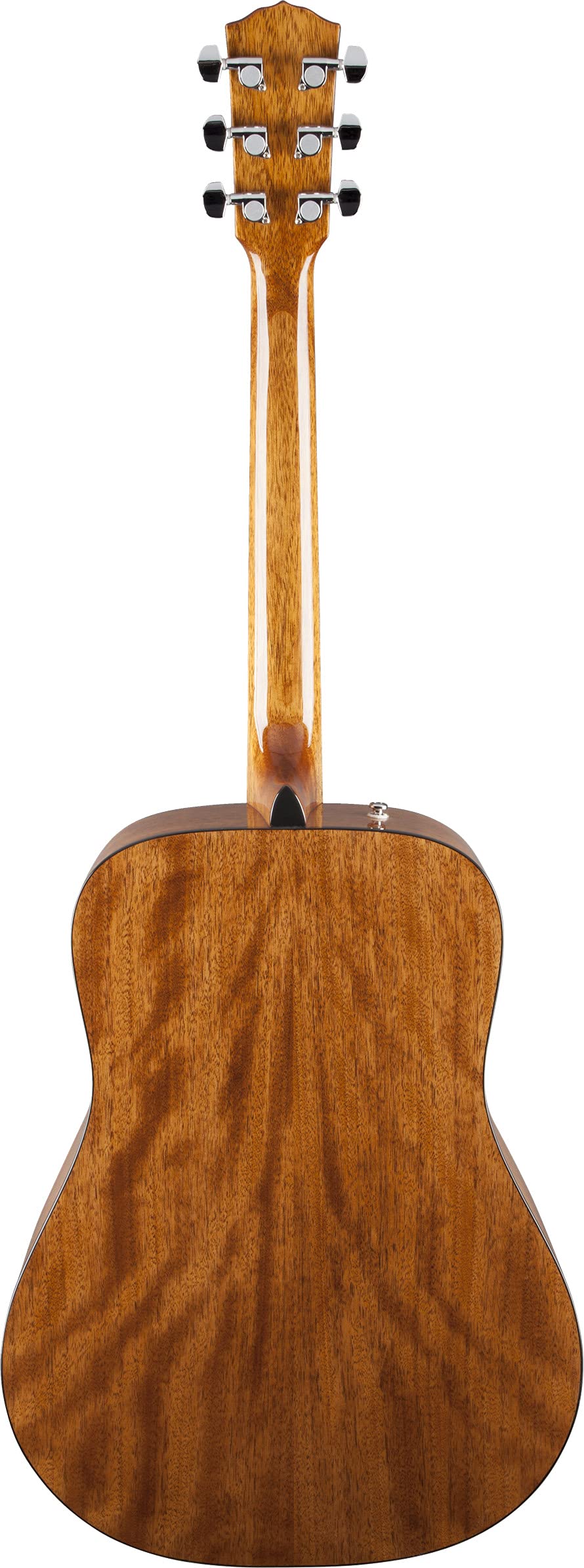
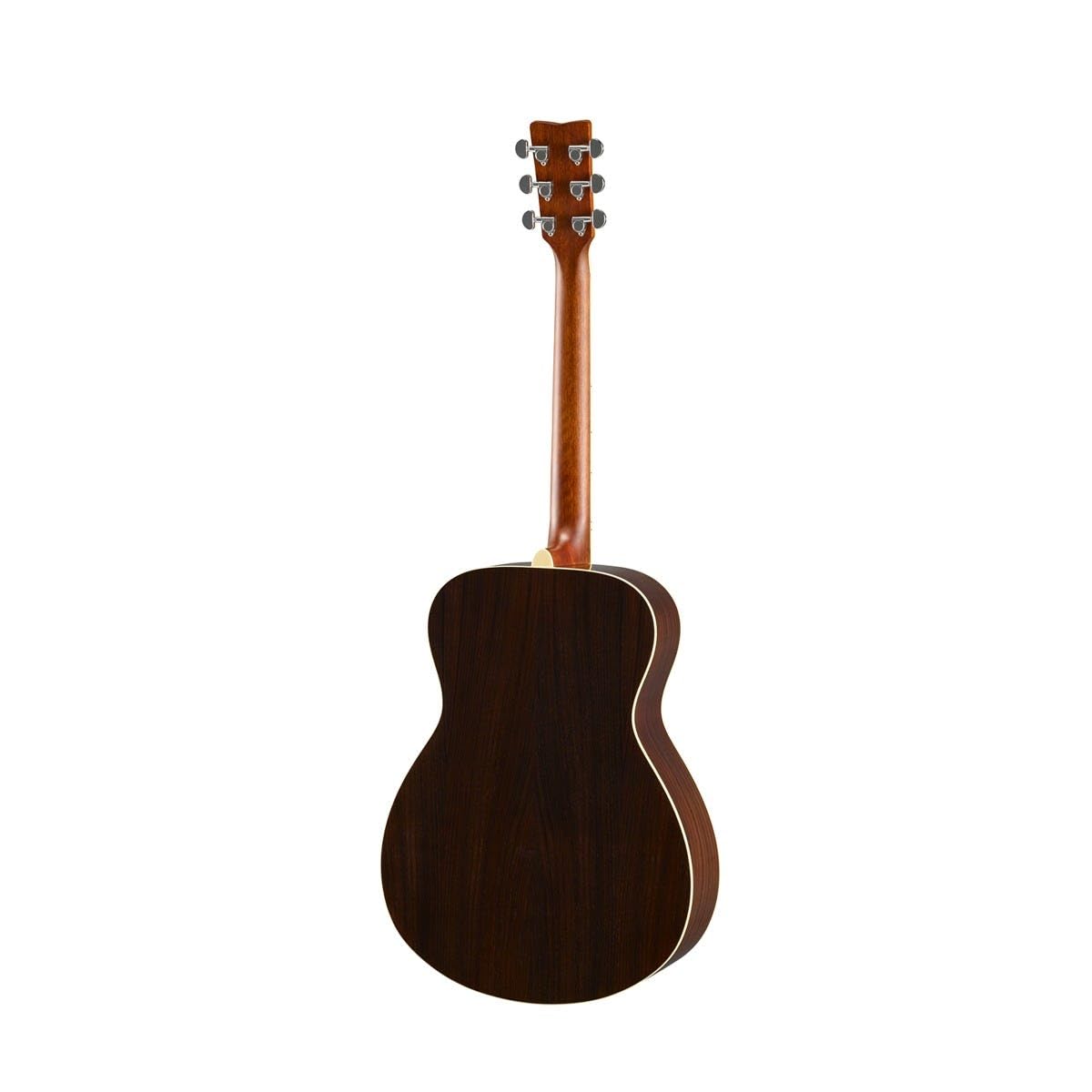
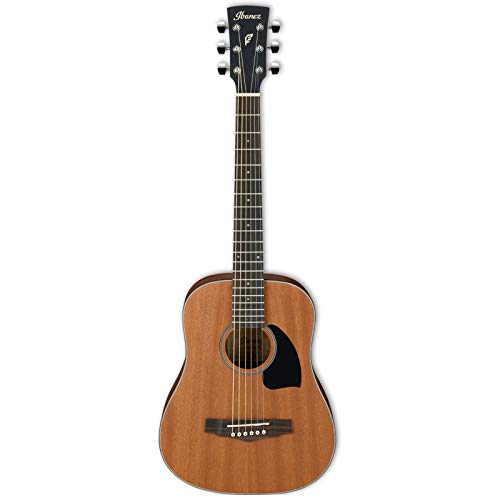
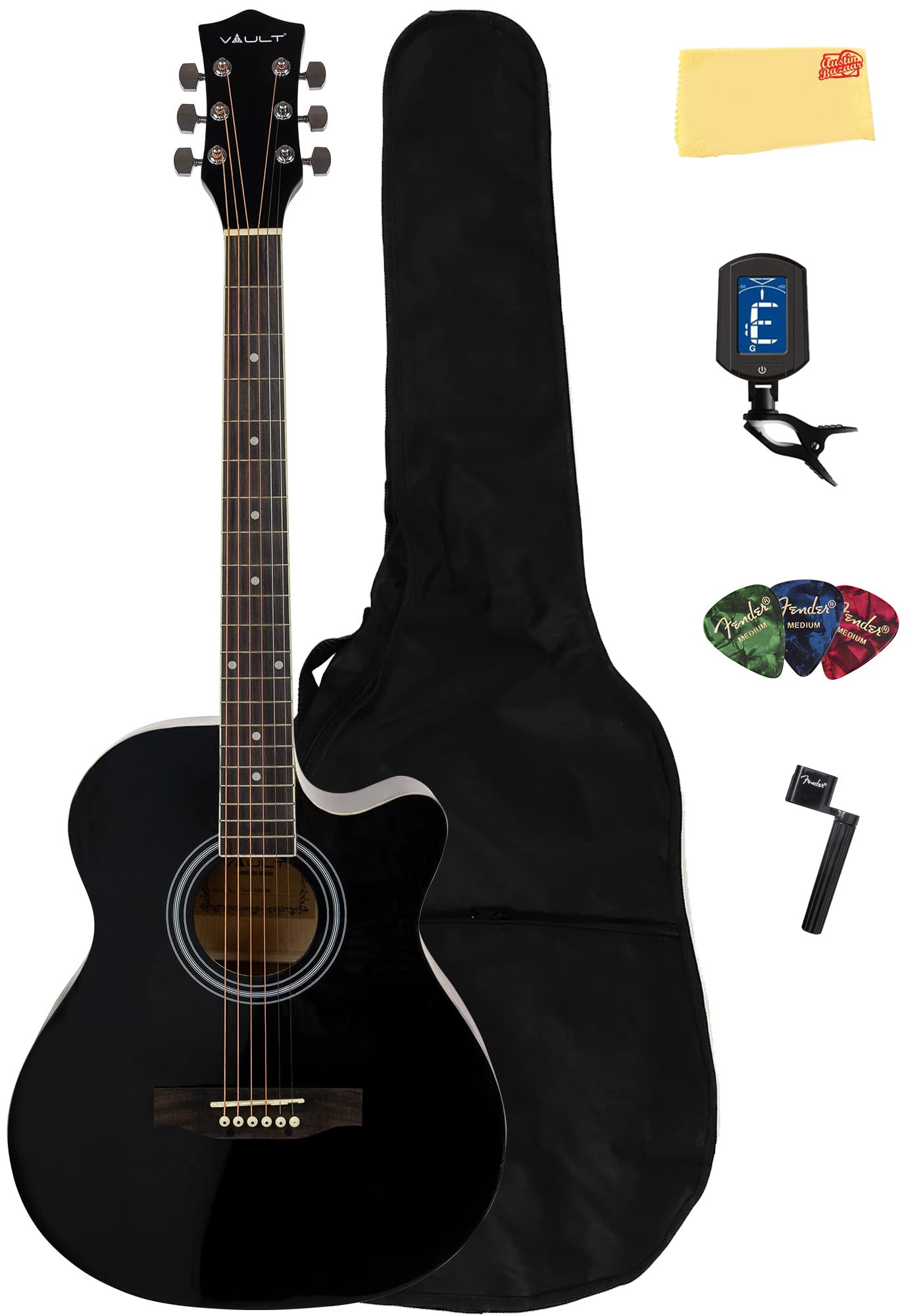
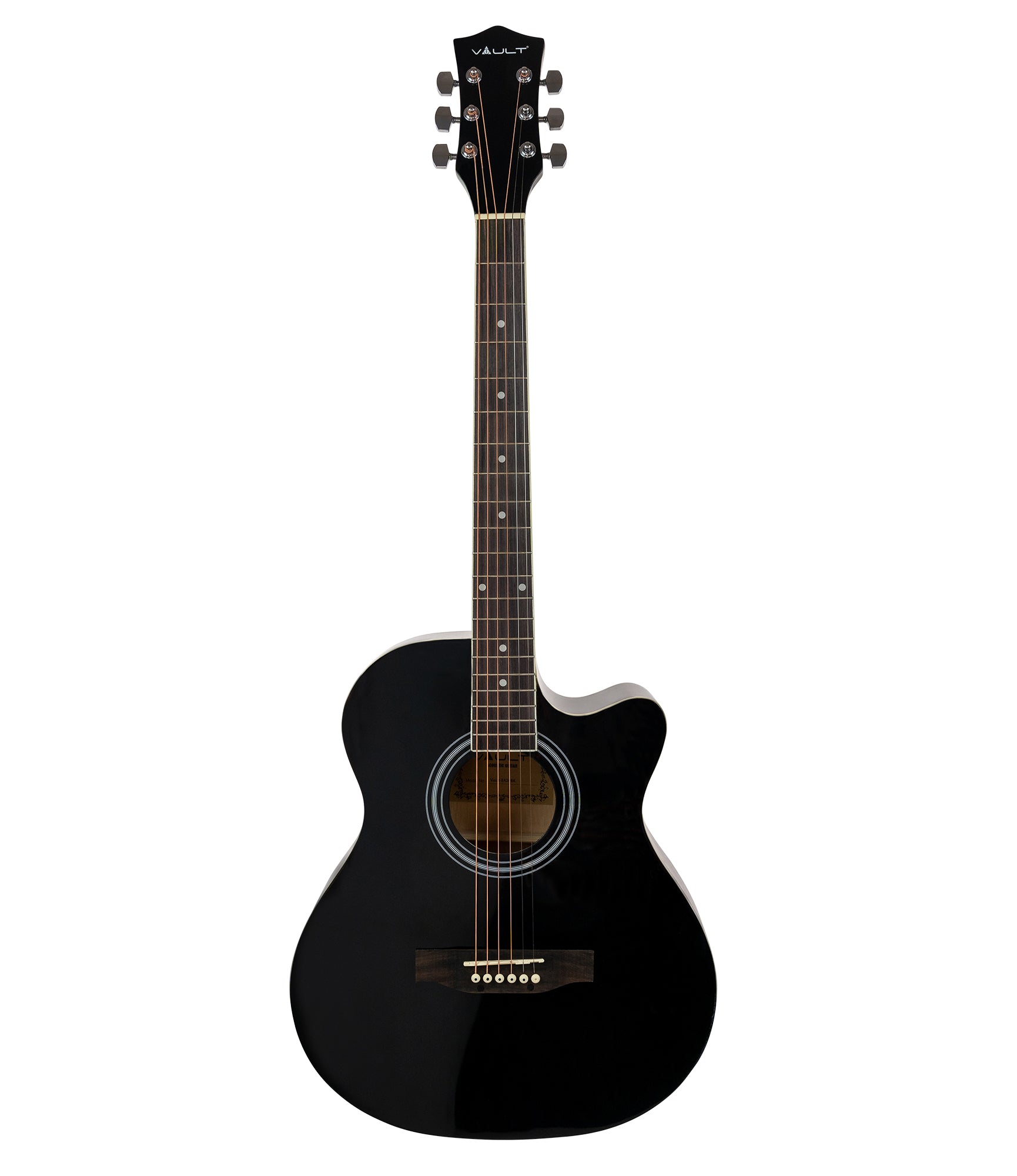
Austin Bazaar offers a wide selection of acoustic guitars for players at every stage, from first-time buyers to experienced musicians upgrading their sound. Every guitar is chosen for solid construction and playability, so you can shop with confidence whether you're buying your first instrument or your fifth.
Pick Your Sound. Play Your Way.
Read More
Beginner and Starter Acoustic Guitars
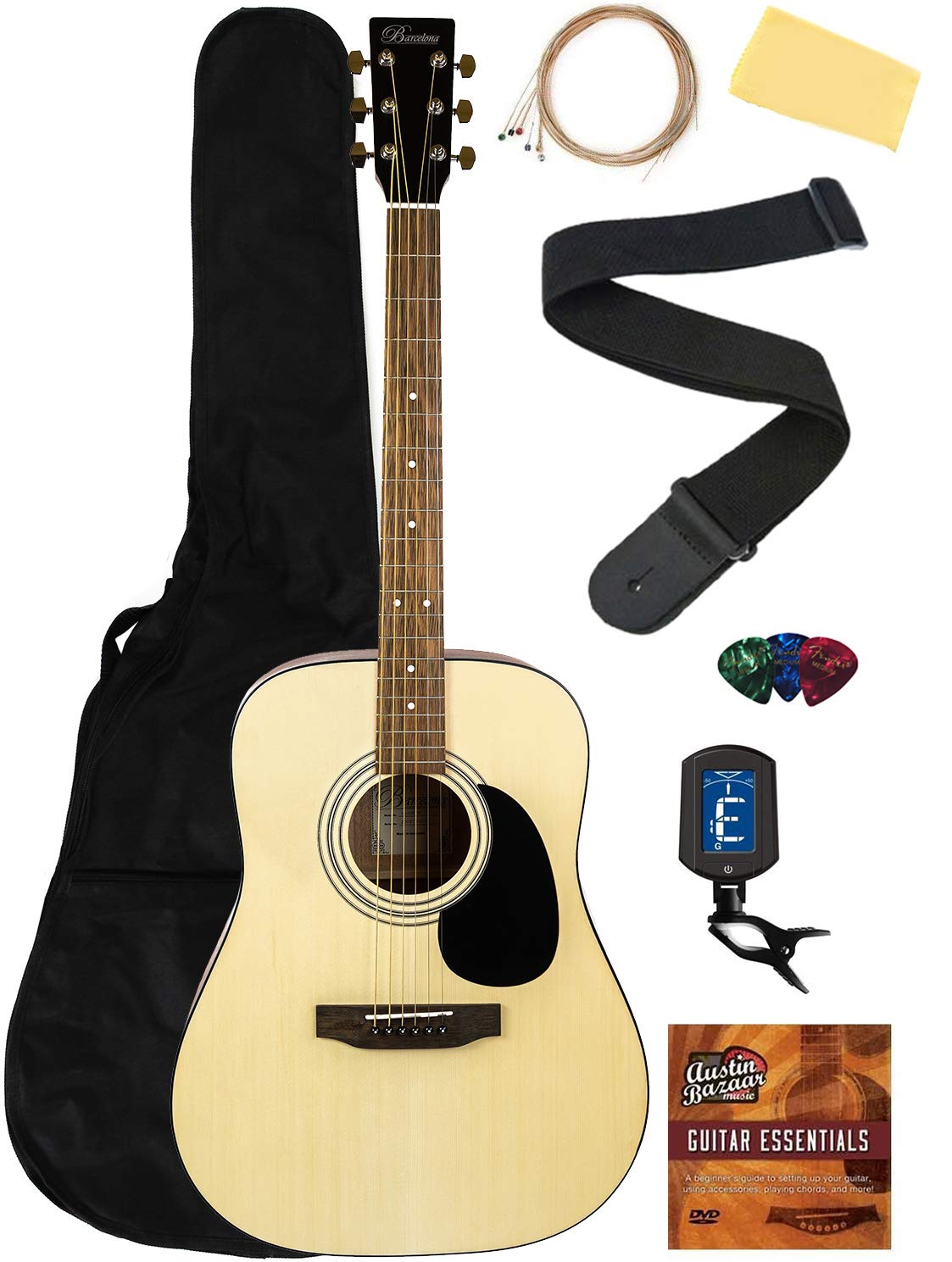
New players can start with a guitar designed for easy playability and a comfortable learning curve. We carry budget-friendly options alongside higher end models, so there's something for every stage of learning and every price point.
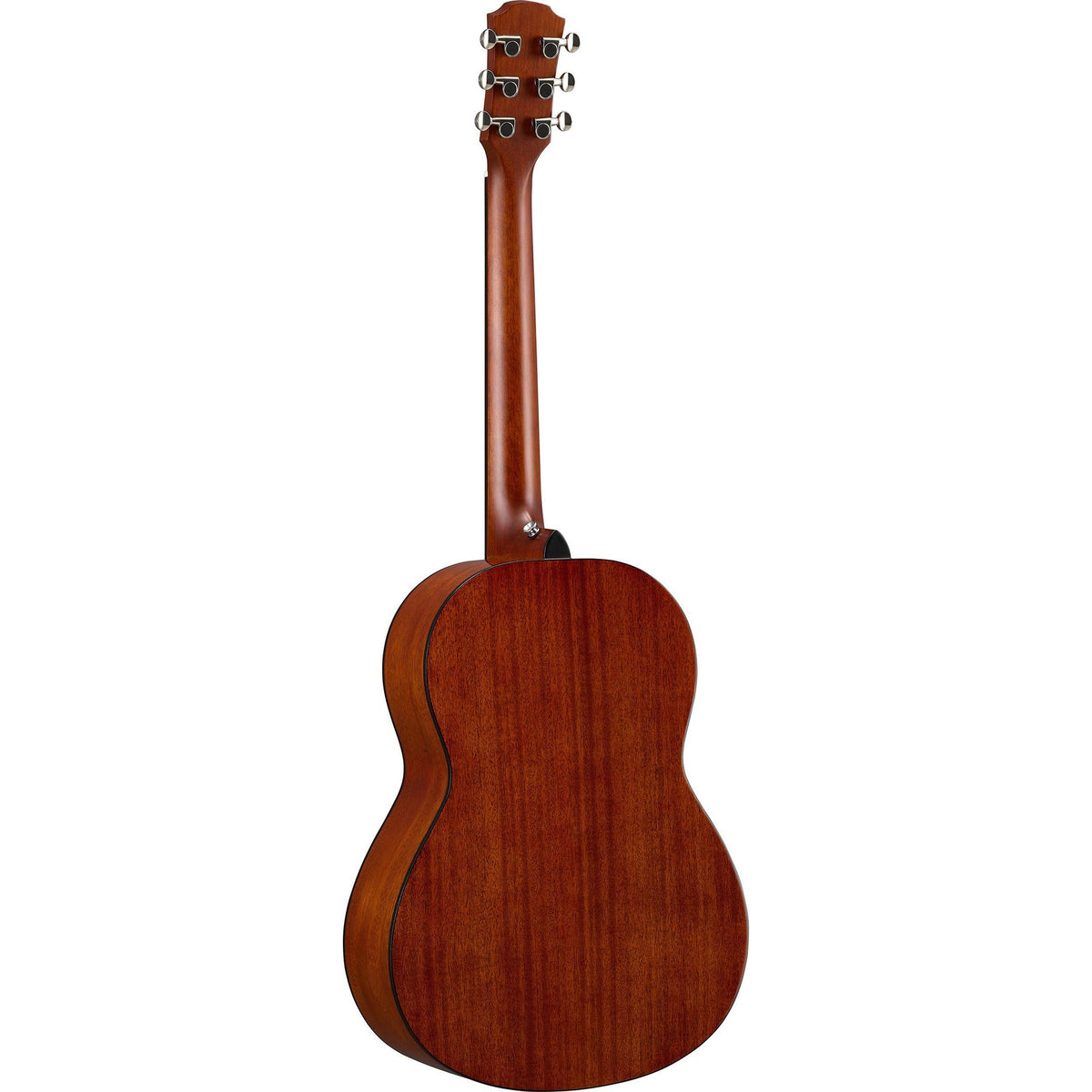
Dreadnought, Parlor and Small-Body Acoustic Guitars
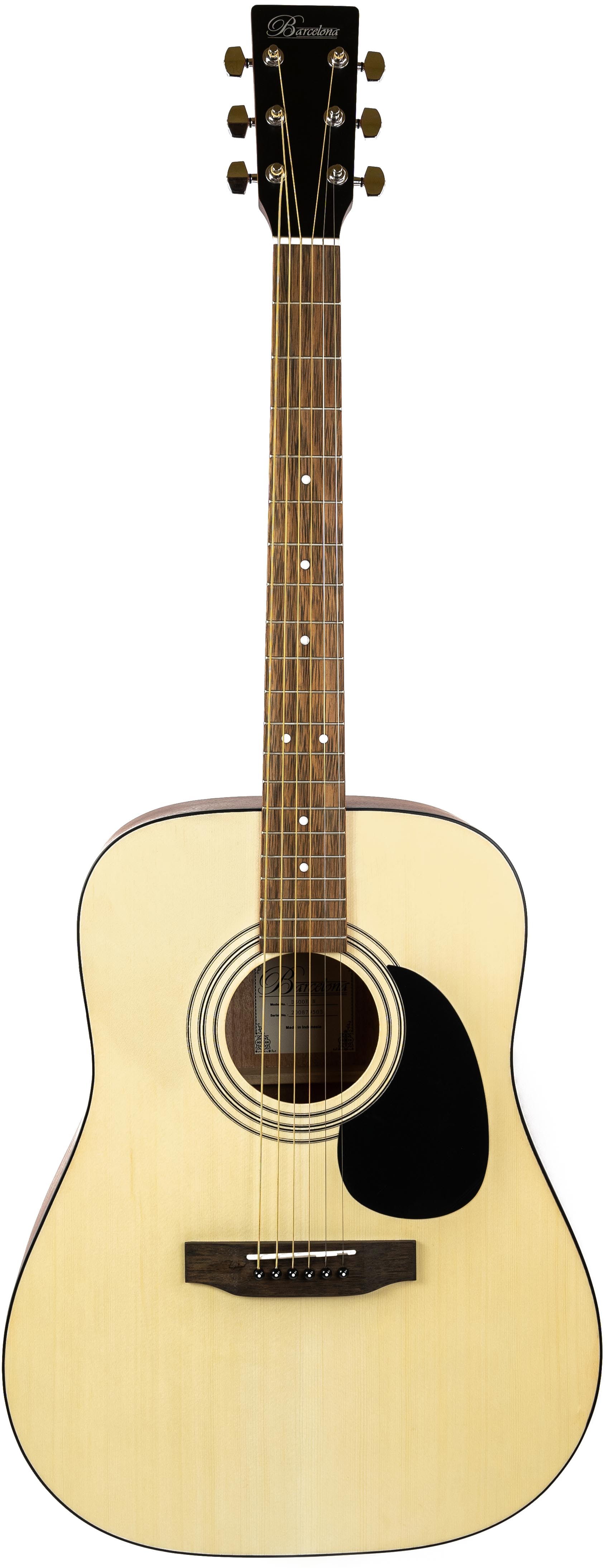
Body style influences both tone and comfort. Full-size dreadnoughts offer a bold, projecting sound, while smaller-bodied guitars offer a lighter, easier-to-handle build that suits smaller players and softer fingerstyle playing.
12-String and Electro-Acoustic Guitars
Looking for a fuller, richer sound? Twelve-string models deliver a shimmering, layered tone, while our electro-acoustic guitars let you plug in and perform live without sacrificing your natural acoustic sound.
Resonator Guitars
For a distinctive, cutting tone, our resonator guitars are built with internal metal cones that deliver a bright, metallic sound favored in blues and slide guitar playing.
Travel-Friendly Acoustic Guitars
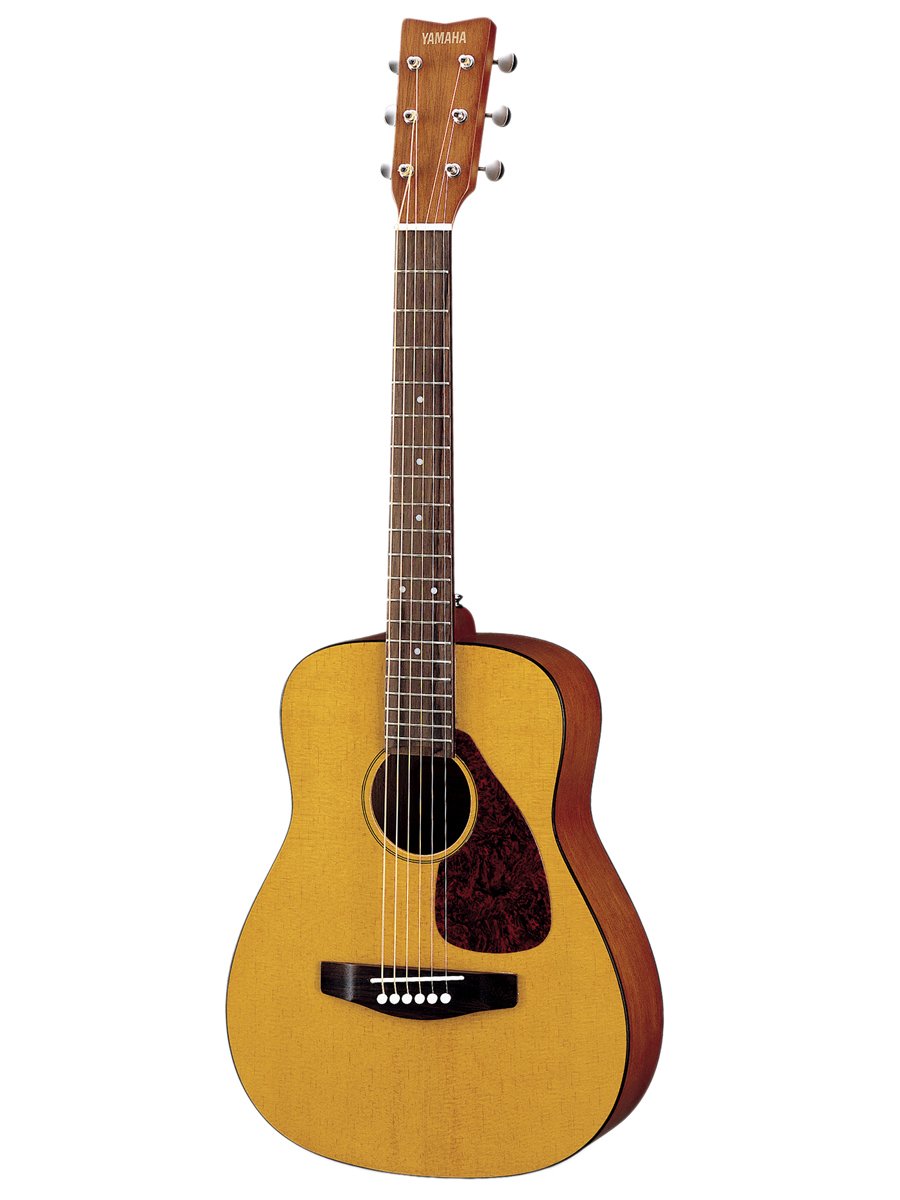
Musicians on the move can shop our travel-sized guitars, built compact for easy transport without sacrificing tone or playability.
Top Acoustic Guitar Brands and Models
Austin Bazaar stocks acoustic guitars from trusted names, so you can compare brands and find the sound and build quality that fits your playing style.
Acoustic Guitar Colors and Finishes
Beyond natural wood tones, we carry guitars in a variety of colors and finishes, so you can find an instrument that matches your personal style as well as your playing needs.
Acoustic Guitar Pricing
Prices vary based on materials, brand, and build quality. Whether you're comparing entry-level models or researching higher-end instruments, there's a range of price points to fit your budget.
Guitar Parts and Accessories
Keep your acoustic guitar sounding and playing its best with the right parts and accessories, from bridge components to tuning hardware.
Product Category & Popular Searches
Acoustic Guitars for Beginners
For players just starting out, Austin Bazaar offers a range of starter-friendly acoustic guitars built for comfort and easy learning.
Popular Searches: guitars| acoustic guitars| electric guitar| bass guitars| acoustic guitars for sale| best acoustic guitar| great acoustic guitars| cool acoustic guitar| high end acoustic guitars| acoustic guitar brand| best acoustic guitar brand| acoustic guitar for beginners| starter acoustic guitar| best acoustic guitar for beginners| best starter acoustic guitar| good beginner acoustic guitar| affordable acoustic guitars| best affordable acoustic guitar| best budget acoustic guitar| best cheap acoustic guitar| cheap acoustic guitars
Dreadnought, Parlor & Small-Body Guitars
Shop guitars by body style to find the tone and feel that suits you best, from bold dreadnoughts to compact parlor models.
Popular Searches: steel acoustic guitar| dreadnought acoustic guitar| dreadnought guitar| parlor guitar| small acoustic guitar| 6 string acoustic guitar| 7 string acoustic guitar| fingerstyle acoustic guitar| vintage acoustic guitars| carbon fiber acoustic guitar
12-String & Electro-Acoustic Guitars
Add fullness or amplification to your sound with our 12-string and electro-acoustic guitar options.
Popular Searches: 12 string acoustic guitar| 12 string electro acoustic guitar| fender electro acoustic guitar| ibanez electro acoustic guitar| yamaha electro acoustic guitar| electro acoustic guitars for sale| resonator guitar| best selection of electric guitars
Travel Guitars
Compact and travel-ready guitars for musicians who need an instrument that goes anywhere.
Popular Searches: travel guitar| travel guitar acoustic
Acoustic Guitar Brands & Models
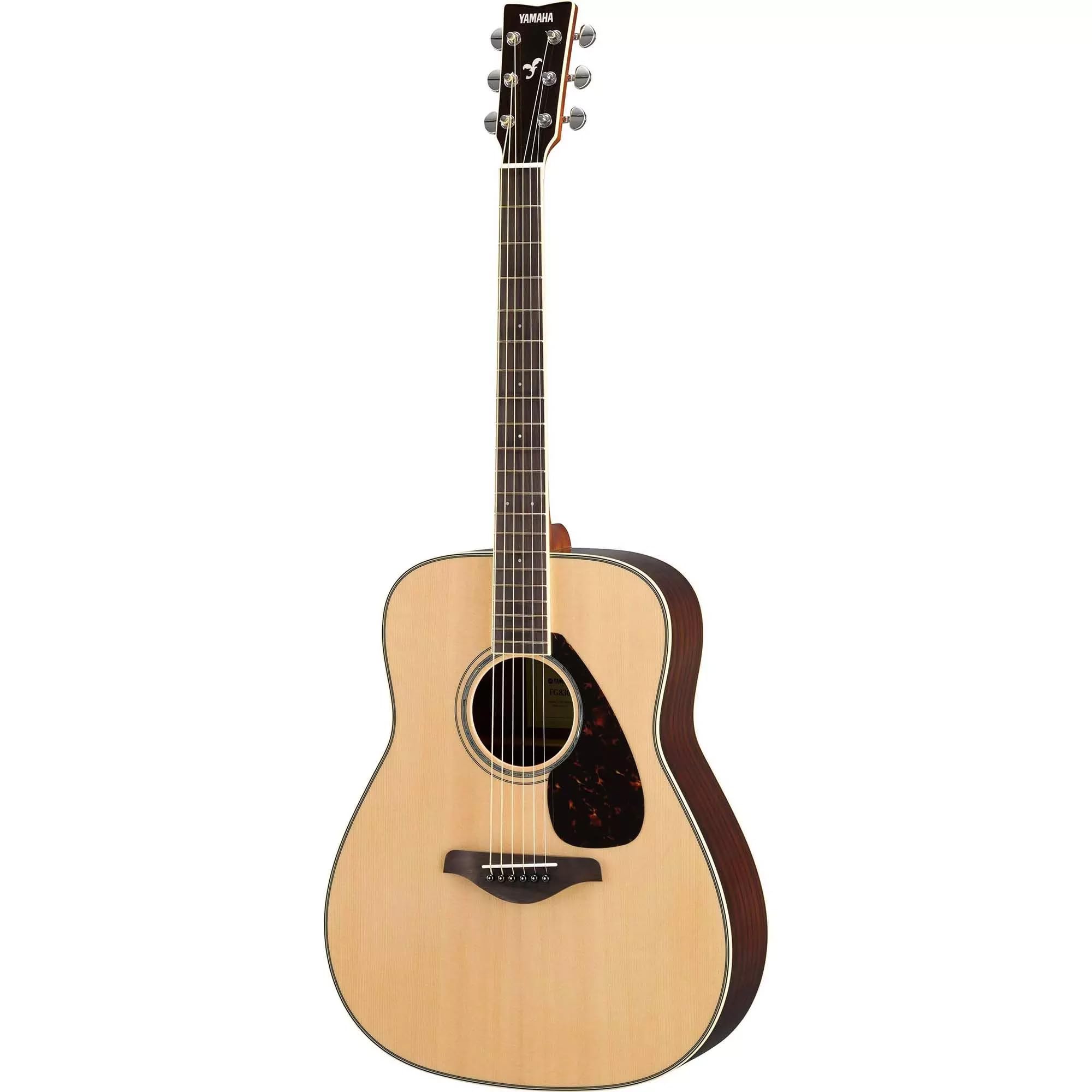
Browse acoustic guitars from trusted brands, including popular Yamaha dreadnought models.
Popular Searches: yamaha acoustic guitar| fender acoustic guitar| yamaha fg800 acoustic guitar| yamaha f310 acoustic guitar| yamaha f310p acoustic guitar| yamaha f335 acoustic guitar| yamaha fg830 acoustic guitar| ibanez acoustic guitar| washburn acoustic guitar| breedlove acoustic guitar| guitar center acoustic guitars
Acoustic Guitar Colors
Find your acoustic guitar in the finish and color that fits your style.
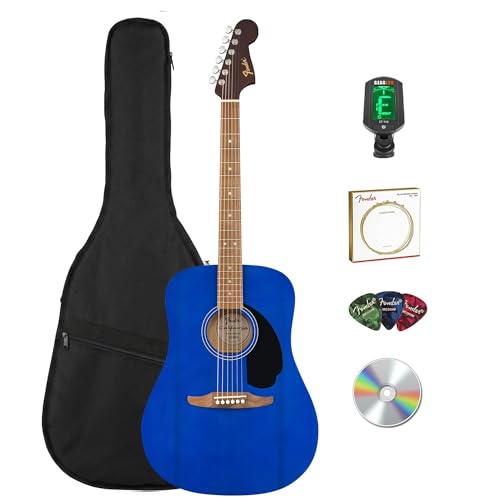
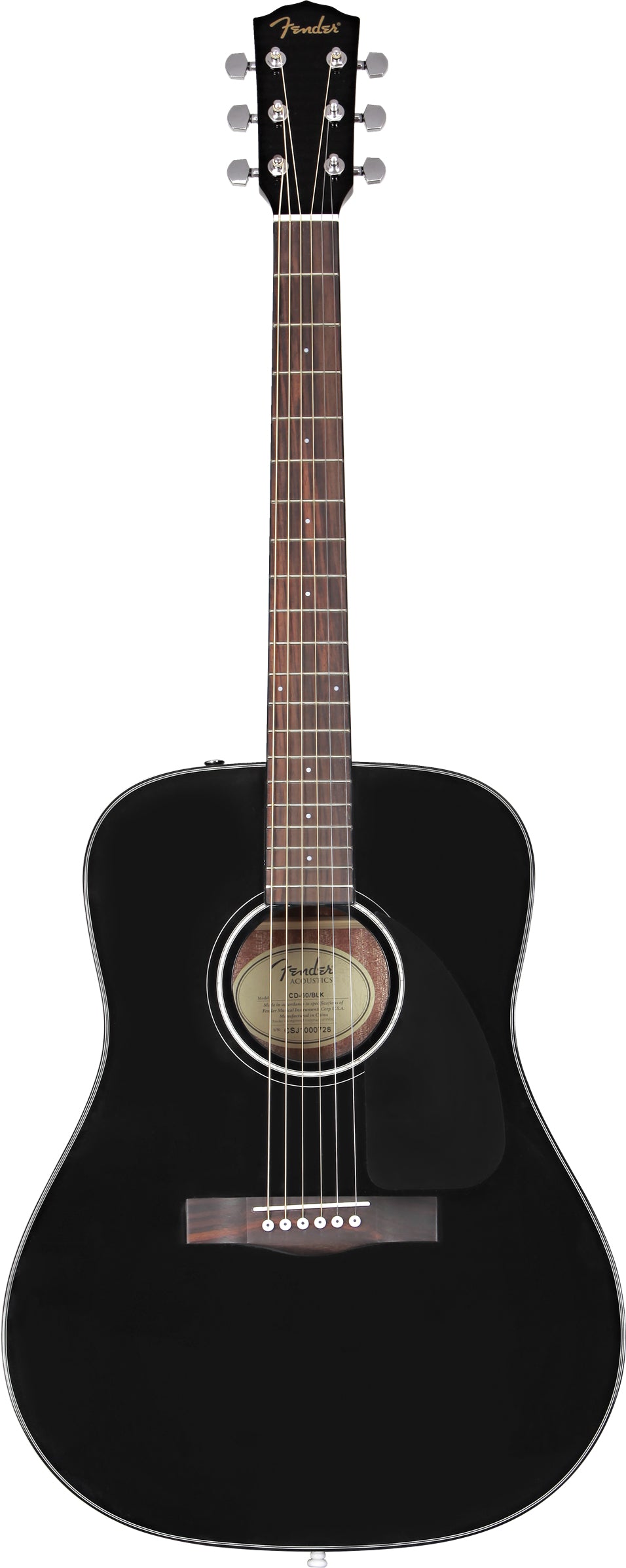
Popular Searches: black acoustic guitar| blue acoustic guitar| pink acoustic guitar| black fender acoustic guitar
Acoustic Guitar Pricing
Compare acoustic guitars across price points to find the right fit for your budget.
Popular Searches: acoustic guitar cost| acoustic guitar price| buy classical guitar| buy guitar| classical guitar| buy bass guitar| buy kids guitar| buy electric guitar| buy left handed guitar
Guitar Parts & Accessories
Keep your guitar performing at its best with the right accessories and replacement parts.
Popular Searches: acoustic guitar bridge| guitar tuners
Frequently Asked Questions
Is a dreadnought guitar harder to play than a parlor guitar?
Not exactly harder, just different in playing feel. A dreadnought has a larger, deeper body built for volume and strong bass response, which can feel bulky for smaller players. A parlor guitar is more compact and lightweight, making it easier to hold and often more comfortable for beginners, kids, or fingerstyle playing.
What is the difference between a dreadnought and a parlor guitar?
The biggest difference comes down to body size and tone. Dreadnoughts are large-bodied guitars known for a bold, bass-heavy sound that works well for strumming and full-band settings. Parlor guitars are smaller and lighter, producing a softer, more midrange-focused tone that's popular for fingerstyle playing and solo recording.
What is the purpose of a resonator guitar?
A resonator guitar is designed to be louder than a standard acoustic without needing an amplifier. It uses one or more spun-metal cones inside the body to mechanically amplify string vibrations, producing a bright, cutting tone. This design became popular before amplification was widely available and is still favored today for blues and slide guitar.
What is the difference between a resonator guitar and a regular acoustic guitar?
A regular acoustic guitar relies on its wooden soundboard to project sound naturally, whereas a resonator guitar uses internal metal cones to mechanically amplify the strings' vibrations, giving it a louder, brighter, and more metallic tone. This makes resonators especially popular for blues, bluegrass, and slide guitar styles where volume and a cutting tone matter.
What is the point of a 12-string acoustic guitar?
A 12-string acoustic guitar pairs each of its six strings with a second string, tuned either in unison or an octave apart. This doubling creates a fuller, shimmering, chorus-like tone that a standard 6-string can't replicate on its own, which is why it's popular for rhythm guitar and layered acoustic recordings.
Is a 12-string acoustic guitar hard to play?
It requires a little adjustment to play; however, it's not dramatically harder. The extra strings mean slightly more finger strength is needed to press down cleanly, especially for beginners, and tuning takes longer since there are twice as many strings. Once you're used to it, the playing technique itself is nearly identical to a 6-string.
Can I put steel strings on a classical (nylon-string) guitar?
Yes, but only on guitars specifically built for them. Most modern acoustic guitars are designed for steel strings, which produce a brighter, louder, more resonant tone than nylon strings. Putting steel strings on a classical guitar only designed for nylon strings can damage the neck and bridge, since it isn't built to handle the added tension.